Sometimes you want apple pie. Sometimes you want ice cream. Both are delicious on their own, but everyone knows the real magic happens when you put them together.
Search visibility works the same way in 2025. Traditional SEO (Search Engine Optimization) is the apple pie you’ve relied on for years. AI Search Optimization, like AEO, AIO, and GEO, is the cool scoop of vanilla ice cream that’s suddenly on every plate. When you combine them, you get a powerhouse strategy that satisfies both Google and AI tools like ChatGPT, Siri, and Alexa.
In this post, we’ll break down exactly what SEO, AEO, AIO, and GEO mean, why they matter for your therapy or wellness practice, and how to put them together so clients can find you anywhere they’re searching.
The Classic Apple Pie — SEO
Think of SEO as the apple pie of online visibility — a tried-and-true favorite. For years, SEO has meant making Google like you:
- Keywords – targeting terms your clients actually type.
- Quality content – blog posts and service pages that answer their questions.
- Backlinks – reputable sites pointing to your pages.
- Technical health – site speed, mobile friendliness, and security.
Google is still the #1 discovery tool, so skipping SEO would be like baking a pie without the pie crust. It’s your foundation and necessary for your private practice’s success. Optimizing your online presence starts with local search, which everything else builds on. For a step-by-step guide to getting that foundation right, we’ve got the perfect guide for you! How to Optimize Local SEO for Your Group or Private Practice
The New Scoop on Top — AI Search Optimization
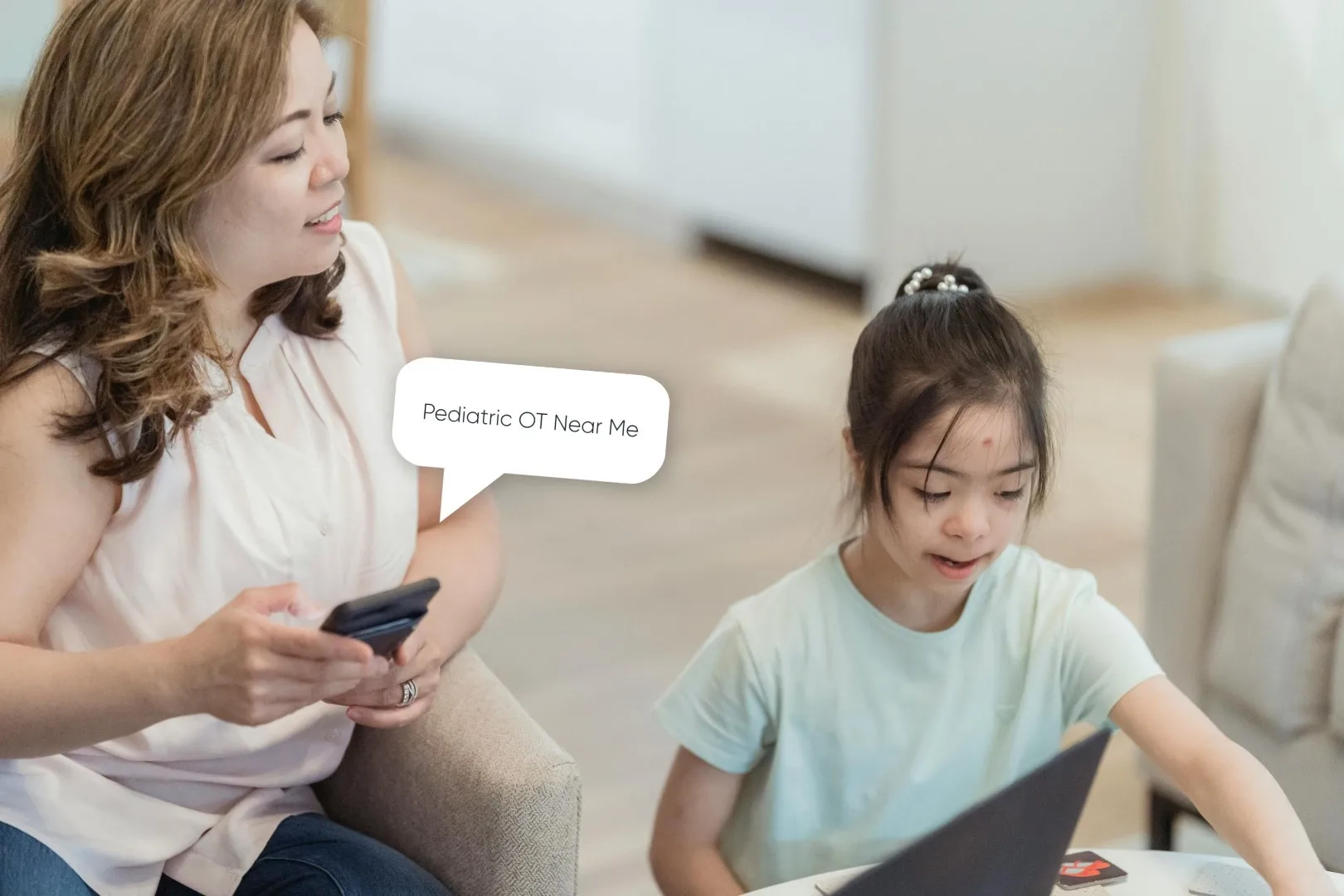
But sometimes you just need a little something extra…the ice cream. Over the last two years, AI search tools have changed how people find information. Instead of clicking through multiple websites, they’re asking AI assistants to answer in plain English.
Here’s the scoop (pun intended):
- AEO (Answer Engine Optimization): Zeroes in on making sure your brand appears in AI-generated answers, like ChatGPT.
- AIO (AI Overviews): Specifically about Google’s new AI Overview snippets in search results and optimizing to be cited as well as highlighted there.
- GEO (Generative Engine Optimization): Big-picture strategy for brand visibility across all AI platforms.
- SEO vs. GEO: SEO gets you ranked in search; GEO ensures your brand shows up inside generative AI outputs.
These strategies don’t replace SEO — they complement it. Apple pie is still great, but AEO/AIO/GEO are the ice cream that makes it irresistible.
While it may all just seem like a jumble of letters, it’s not really all that important to know the difference between AEO, AIO, and GEO. What you do need to know is that all of these strategies are AI based and these strategies do not replace SEO, they complement it.
Apple pie is already great on its own. AEO, AIO, and GEO are just the scoop of ice cream that makes it irresistible.
How to Optimize for AI (AIO in Action)
Think about how your clients talk to AI: they ask questions. So you have to do the same to become the chosen answer:
- Write in Q&A style – headings as questions, answers in 1–2 sentences.
- Use real audience questions – from your clients, forums, and Google’s “People Also Ask.”
- Add schema markup (FAQ, HowTo, LocalBusiness) with plugins like Yoast or RankMath.
- Include a short summary/answer at the top of blogs.
- Keep your site fast + mobile-friendly.
- Update your Google Business Profile and Bing Places with fresh info and reviews.
Think of this like adding whipped cream and colorful sprinkles; because these small steps are what will make your dessert and your content more appealing to AI.
Why Bing + ChatGPT Matter
ChatGPT is powered by Microsoft, which means Bing is its main search engine. Ranking on Bing can directly influence whether AI tools recommend you.
Quick tips to win on Bing:
- Create a Bing Places listing — fewer therapists are there, so it’s easier to rank. If you have a Google Business Profile, you can easily sync it to Bing Places with one click during setup!
- Dedicated pages for each specialty/location.
- Consistent blogging.
- Technical optimization (speed, SSL, schema)
- Encourage quotable reviews – full-sentence reviews mentioning your specialty and location feed AI high-quality info.
It’s like offering a scoop of specialty maple ice cream that no one else thought to try — low competition, high reward.
Beyond Keywords — New SEO & AI Ranking Signals
AI search is less about single keywords and more about context. To blend your strategy:
- Control how your site interacts with AI crawlers. Your website most likely has sitemap.xml in place. A LLMS.txt file is similar, but instead of listing pages for search engines, it lets you control how AI crawlers and large language models (LLMs) interact with your website.
- Brand mentions > backlinks: AI looks for mentions of your business name across the web and social media instead of your website link. Tools like Mentionlytics help track them.
- Content hubs: Build topic clusters — blog posts, FAQs, and service pages linked together around each specialty.
- Schema markup for FAQs: This makes your site “readable” by both Google and AI.
This is your dessert buffet — not just one slice of pie, but an entire spread AI can sample.
FAQ Block (Great for Snippets + AI Results)
Your clients aren’t just “Googling” anymore. They’re asking Siri, Alexa, and ChatGPT to recommend providers. If your content is clear, trusted, and structured, AI may literally say your name out loud as the expert in your area.
In 2025, practices that blend SEO (apple pie) and AI optimization (ice cream) will win. Those that stick with only one risk being invisible in half the places people search. A great way to meet both SEO and AI optimization is a simple old fashioned FAQ block.
What does an FAQ block look like? Don’t worry, we’ve got you covered! Here’s an example of an FAQ block with schema markup designed for both users and machines. Please note how each question is answered in 1–2 clear sentences, making it ideal for featured snippets, AI search results, and voice assistants.
Answer common questions in 1–2 sentences:
Yes — SEO remains the foundation. AI optimization builds on it, not replaces it.
Writing clear, structured answers so AI tools select your content.
Yes — Bing powers many AI tools, and fewer competitors are listed there.
SEO targets search engines; AI optimization targets AI assistants and generative search.
Provide clear, authoritative answers and structured data AI can trust.
The Sweet Spot Where SEO Meets AIO
SEO is still essential. AI search optimization is the exciting new layer. When you put them together — like apple pie and ice cream — you create a future-proof visibility strategy that satisfies both Google and AI.
Start small: create Q&A content, add schema, claim your Google + Bing profiles, and speed up your site. Your future clients are searching in new ways. Let’s make sure they find you wherever they look! Want your practice’s online presence to be irresistible—like a slice of warm apple pie and ice cream? Schedule a Discovery Call with Tracy Mak Studio to see how we can help you blend SEO and AI into the perfect strategy.