The world of search engine optimization, or SEO, is a bit like navigating uncharted waters. Just when we think we’ve discovered the secret to getting our website noticed, a rogue wave in the form of “toxic links” threatens to capsize our efforts. These seemingly innocuous links can wreak havoc on your SEO, potentially torpedoing your rankings and sabotaging your traffic. But don’t worry! Just like a seasoned sailor, you’re about to learn how to steer clear of these treacherous tides.
Getting to Know the Enemy: Understanding Toxic Links
Toxic links are essentially unsolicited external links pointing to your website that can warp your SEO efforts. They may take the forms of spammy links, broken links, or even irrelevant backlinks. A backlink, in simple terms, is like a vote of confidence from one website to another. It’s when one site links to another site. Think of it as a recommendation or an endorsement; the linking site is essentially saying that the content on the linked website is valuable or worth checking out. Backlinks are crucial for SEO because search engines like Google view them as indicators of credibility, authority, and relevance. The more high-quality backlinks your site has, the more likely search engines are to rank it higher in search results, as it shows that your site is trusted and well-regarded by others.
Now that we’ve defined what a backlink is, a toxic link is the opposite of that. Picture them as digital roadblocks that deter search engines from sending traffic your way, potentially causing your site to drop in rankings and credibility. It’s important to understand that not all links are created equal, and toxic ones can often originate from low-quality sites, link farms, or websites that have nothing to do with your industry. Recognizing these harmful links is the first step to mitigating their impact.
Snooping for Culprits: How to Identify Toxic Links
Although the thought of toxic links lurking in your website is enough to make even the most intrepid website owner lose sleep, the good news is that they can be detected. The key is to arm yourself with the right tools. Google Search Console is your first port of call—this handy tool can highlight links coming to your site. Once identified, you should check each link to determine its quality. Are these links coming from reputable sites? If not, they could be toxic. SEMrush and Ahrefs are other invaluable resources that offer specialized reports to reveal your backlink profile’s health. These platforms allow you to export toxic link data, giving you a detailed picture of links to avoid or disavow. Regularly reviewing reports from these tools can keep toxic links from sneaking into your radar.
The Stakes: Impact of Toxic Links on Your Website’s SEO
When your website carries toxic backlinks, search engines may assume you’re trying to game the system, leading them to penalize your site by lowering your rankings. Your organic traffic might take a nosedive, which, ultimately, could affect your bottom line. Worst-case scenario? Your website could be blacklisted by search engines, which means you’d practically disappear from the web — a disastrous prospect for any business. That’s why it’s crucial to act fast when toxic links are detected and make use of Google’s Disavow tool and other methods to eliminate them from your digital profile.
Striking Back: Removing Toxic Links
Out with the old, in with the new – that’s what we say about toxic links too! Start by reaching out directly to the website owner—some might be unaware they’re hosting toxic links. Send a polite email asking them to remove the link.
If this doesn’t work, turn to Google’s Disavow tool, which allows you to effectively tell Google to ignore these potentially harmful links. However, use this tool wisely! Mistakenly disavowing quality links could do more harm than good. Having a handful of low-quality, toxic links won’t hurt your SEO efforts much. However, if your backlink report includes hundreds of toxic links, concentrating your efforts on removing those backlinks could be beneficial for your rankings.
Real Life Example of Disavowing Toxic Links
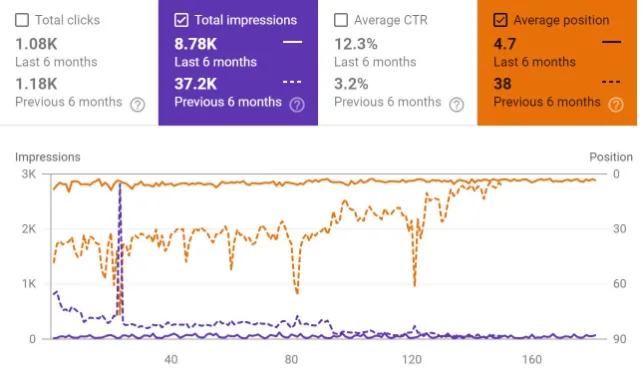
I worked with a Metro Detroit psychotherapy group practice as a Website Care Client and disavowed 245 toxic backlink domains. This resulted in the their website showing up 28,200 less times in Google searches but the website’s average rank was 33 positions higher in the search results and the click-through-rate (number of people who see the website as a search result and chose to click on it) increased by about 10%.
This resulted in a significant increase in the number of emails, phone calls, and website visitors over a 6-month period. By disavowing these links, their website showed up on web searches that were relevant to their services.
Cultivating Good Backlink Hygiene: Preventing Future Toxic Links
Prevention, they say, is better than cure. This holds true in the world of SEO as well. Building a strong link profile involves a focus on quality rather than quantity. It’s like curating a selection of the finest fruits for a market stall—only the best should make it in. Prioritize securing backlinks from reputable, authoritative sites within your niche by employing legitimate link-building strategies like guest blogging or partnerships. Set up regular reminders to audit your backlink profile systematically. This proactive approach can help you head off toxic links before they become a problem.
Emergencies: When Google Penalizes Your Site
Finding yourself in the penalty box set up by Google can be nothing short of a nightmare. But, don’t lose heart! First, focus on identifying the cause of the penalty. Analyze your backlink profile to identify toxic links and remove them as soon as possible. Once you’ve cleaned your backlink profile, submit a reconsideration request to Google, detailing the actions you’ve taken. Patience is key here, as it might take a few weeks to see results. Use this as a learning opportunity and implement preventative measures to ensure your site remains penalty-free in the future.
Calling in Reinforcements: Contacting Tracy Mak Studio
Navigating the murky waters of SEO and dealing with the threat of toxic links can be challenging. But with our guide, it’s a battle you’re well-equipped to fight. Remember, if you ever need professional help with managing toxic links or any aspect of your website’s upkeep, we at Tracy Mak Studio are always here to lend a helping hand.
Our Website Care Plans do not just maintain your website but also helps ensure it keeps enriching the health and wellness community. Free your time to focus on enriching your practice and leave the technical challenges to us!
Find out more about becoming a Website Care Client or contact us directly for more information.