What Health & Wellness Providers Need to Know (Without the Overwhelm)
If you’ve ever visited a website and been greeted by a pop-up asking you to accept cookies, you’ve already encountered a cookie policy in action.
For health and wellness practice owners, especially solo providers and small teams, cookie policies can feel like something only big corporations need to worry about. Maybe you’ve wondered:
- Does my small practice actually need one?
- What if I just use Google Analytics or a scheduling tool?
- Aren’t cookie banners only for companies in Europe?
- What happens if I skip it altogether?
If these questions sound familiar, you’re not alone. Don’t worry! I’m here to break it down so you can decide whether a cookie policy is essential or unnecessary for your practice website
What Is a Cookie Policy (and Why Does It Matter)?
A cookie policy is a page on your website that explains what tracking technologies (also known as “cookies”) your site uses and how they collect data from visitors.
Your cookie policy should cover:
- What types of cookies are being used
- Why those cookies are there
- How users can opt out or manage their preferences
- A link to your privacy policy for deeper detail
Most websites use at least three types of cookies:
- Essential Cookies – Required for your site to work, such as secure logins or client portals
- Functional Cookies – Improve user experience by remembering preferences for booking appointments
- Marketing Cookies – Used for ads or remarketing, such as Facebook Pixel or Google Ads
Here’s my cookie policy as an example of what types of tracking technologies are listed.
Cookie Policy vs. Cookie Consent Banner:
These two terms are often confused, so let’s do a quick and simple breakdown:
- Cookie Policy: A page that explains your cookies and why you use them
- Cookie Consent Banner: A pop-up that asks users to accept or decline cookies
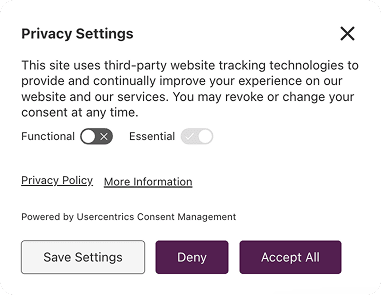
Depending on where you operate and who visits your site, you may be legally required to have both.
- In the EU, the banner must collect consent before placing non-essential cookies
- In the U.S., it’s more nuanced. While not always legally required, it is best practice to use a consent banner if your site collects any data beyond what’s strictly necessary
Data privacy laws are evolving quickly
And private therapeutic practice owners are increasingly affected by these changes.
Key regulations include:
- GDPR (EU)
- CCPA and CPRA (California)
- State-level laws in Colorado, Virginia, Connecticut, and others
These laws are designed to:
- Protect visitors’ personal data
- Require clear explanations of what’s being collected
- Give users control over their information
- Encourage transparency and accountability
Even embedding a tool like Calendly, SimplePractice, or YouTube can introduce cookies on your site.
Does Your Health & Wellness Practice Website Need One?
In most cases, yes. You almost certainly need a cookie policy if:
- You use Google Analytics or tracking tools
- You embed scheduling tools, videos, or chat widgets
- You use email marketing, ads, or remarketing pixels
- You serve clients across state lines or internationally
Example 1:
A solo physical therapist in Michigan using Google Analytics and an online booking tool needs a cookie policy.
Example 2:
A private speech practice with clients in the U.S. and EU needs both a policy and a consent banner.
Your Site’s Safety Signal Matters
Skipping a cookie policy can lead to a number of issues.
Legal Risks
- GDPR fines can reach up to €20 million or 4% of annual revenue
- CCPA fines range from $2,500 to $7,500 per violation
- Other states are introducing similar regulations
Reputation Risks
- Visitors may lose trust if your site does not feel secure
- Browsers like Chrome may flag your site as “less safe”
SEO & Conversion Risks
- Google favors transparent, trustworthy sites
- Clients might hesitate to book if they’re unsure how their data is handled.
Is a Cookie Policy Too Much for a Small Practice Website?
It might feel like extra red tape, but in reality, a cookie policy is a practical safeguard.
Myth: “I’m just a solo practitioner, nobody is really checking my website.”
Truth: If you use tools that collect visitor data, you need to disclose it.
Myth: “I don’t sell anything online, so I don’t need one.”
Truth: Even a contact form or appointment scheduler involves collecting data.
The good news is, you don’t need to hire a lawyer or know code! There are simple tools available that make compliance easy and affordable.
How to Add a Cookie Policy (Without a Headache)
Here are some user-friendly options, depending on your platform:
WordPress & Squarespace / Wix
- Complianz – An all-in-one solution for banners and policies
- CookieYes – Easy setup and compliant with GDPR and CCPA
- Termageddon – Works through a simple code block
- Built-in banner tools may be available, though they often require manual policy creation
Best Practices:
- Show the banner when users first visit your site
- Include a link to your cookie policy in your site’s footer
- Review your policies annually
- Termageddon will notify you when updates are needed, so you can stay compliant
The Bottom Line
If your practice website uses tracking tools or serves clients across multiple regions, a cookie policy is not excessive. It is a smart step for protecting your practice and building trust.
It helps you:
- Stay compliant with current laws
- Show transparency and professionalism
- Give clients peace of mind about how their data is handled
Ready to Add One Easily?
Cookie policies are no longer just for large companies. If you’re running a modern wellness or therapy practice, now is the time to protect your website and your clients.
Sign up for Termageddon with my affiliate link to generate a cookie policy, privacy policy, terms of service, and disclaimers that are tailored to your practice.
You don’t even need a legal background! Just a few clicks and you’re covered!
Let me know if you’d like help with SEO optimization, formatting for your blog platform, or ensuring that you’re HIPPA compliant! I’m here to make it easier. Get started today with my C3 Roadmap!