Have you ever wondered if you’re missing out on potential clients because your website isn’t accessible to everyone? Today, we’re diving into an important topic that’s especially relevant for the health and wellness community—website accessibility. Ensuring that your website is accessible can dramatically enhance your reach, improve user experience, and even boost your search engine rankings.
Website accessibility is a crucial element that can significantly impact your business. By making your website accessible, you ensure that everyone, including individuals with disabilities, can use it effectively. This not only serves a moral and legal obligation but can also open up new opportunities for your practice. Let’s explore the many benefits of accessible websites and how they can elevate your business.
What is Website Accessibility?
First things first, let’s break down what website accessibility actually means. In simple terms, website accessibility is all about designing and developing your website so that everyone, including individuals with disabilities, can use it effectively. That means considering things like easy navigation, readable content, and accessible forms and videos.
This concept is guided by Inclusive Design Principles and the Web Content Accessibility Guidelines (WCAG). These guidelines lay out how to make web content more accessible to people with a wide range of disabilities. For instance, providing text alternatives for non-text content like images and ensuring that all functionality can be operated through a keyboard are both crucial aspects.
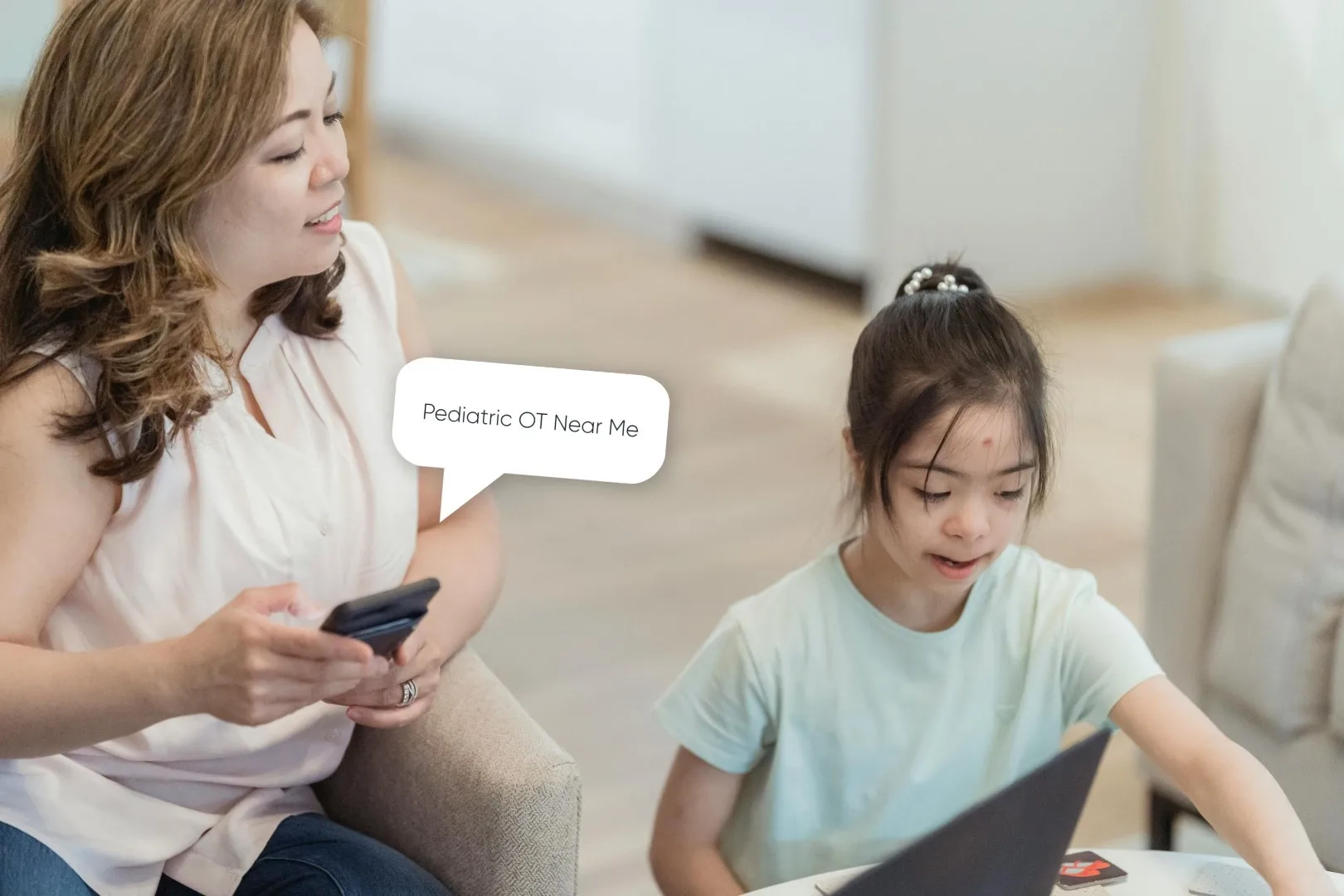
Why is this so crucial for the health and wellness community, you ask? Well, a significant part of your audience might include individuals with disabilities looking for services and resources that only you can provide. Making your website accessible helps you serve this important community better!
Legal and Ethical Considerations
Now, let’s talk about the laws and ethical responsibilities around accessibility. In the U.S., the Americans with Disabilities Act (ADA) and Section 508 of the Rehabilitation Act set the legal framework for web accessibility. These laws require that digital content is accessible to people with disabilities.
But beyond just legal obligations, there are ethical implications and corporate social responsibilities to consider. Ensuring your website is accessible isn’t just a box to tick—it’s about showing respect and care for all users.
Business Benefits of Accessible Websites
Alright, now here’s where things get exciting! Making your website accessible isn’t just good karma—it’s great for business. Here’s how:
Expanding Market Reach
By making your site accessible, you’re opening the door to a wider audience. There are millions of people with disabilities who could benefit from your services. Imagine the potential client base in the health and wellness sector you’re tapping into!
Improved User Experience (UX)
A more accessible site isn’t just better for those with disabilities—it’s better for everyone. Enhancements like easier navigation, readable text, and more intuitive design make your website a joy to use, boosting overall satisfaction and attracting repeat users.
SEO Advantages
Did you know that accessible websites often have better search engine rankings? It’s true! Search engines like Google love accessible sites because they tend to have clearer structures and richer content. This can lead to increased organic traffic.
Positive Brand Image
Who doesn’t want to be seen as an inclusive and responsible business? Having an accessible website can burnish your reputation and build a positive brand image. Clients and users will appreciate your commitment to inclusivity, strengthening their trust and loyalty.
Legal Protection
Finally, ensuring your website is accessible helps protect you from potential lawsuits. By complying with accessibility laws, you’re reducing your legal risks and showing that your business is both law-abiding and ethical.
Easy Ways to Make Your Website More Accessible
So, how can you make your site more accessible without feeling overwhelmed? Here are some quick and easy tips:
Keyboard Navigation and Screen Reader Compatibility
Not everyone uses a mouse to navigate a website; some users rely on their keyboard instead. Make sure that all interactive elements (like forms, links, and buttons) can be accessed via the tab key. This helps users who might have motor disabilities or those who simply prefer keyboard shortcuts. Screen readers convert text and other on-screen elements into speech or Braille for visually impaired users. Structure your web pages with proper HTML semantics—use headings, paragraphs, lists, and other HTML elements correctly. This helps screen readers interpret the content accurately. Also, avoid using images or graphics to display text unless absolutely necessary.
Color Contrast and Text Sizing
Good color contrast between text and background makes your content readable for everyone, including users with visual impairments like color blindness. There are some great tools out there, like the WebAIM Contrast Checker, that can help you test your site’s color contrast. Aim for a contrast ratio of at least 4.5:1 for normal text and 3:1 for large text. For text size, make sure your body text is at least 16px and your headings are at least 24px.

Alt Text for Images and Multimedia
Alt text (alternative text) is a description added to the HTML code of an image. This text is read by screen readers, allowing visually impaired users to understand what the image represents. Ensure your alt text is descriptive but concise—think about how you would describe the image to someone over the phone. If your website features videos or audio content, make sure to include captions and transcripts. Captions provide a written version of the audio content directly on the video, while transcripts are separate documents that provide a detailed script of the audio or video content. This benefits not only users with hearing impairments but also anyone who might prefer reading to watching or listening.
Form Labels and Error Messages
Each field in a form should have a clear, descriptive label. Make sure the labels are associated with their corresponding fields using HTML label tags. This is crucial for screen reader users to understand the purpose of each input field. When a user makes a mistake on a form (like missing a required field or entering invalid data), provide clear and accessible error messages. Use simple language and ensure the messages appear in a prominent location. Consider offering solutions or instructions on how to correct the errors. For example, if a password isn’t strong enough, specify the requirements right there in the error message.
Making your website accessible is not only the right thing to do—it’s also a smart business move. It helps you reach more people, enhance user experience, improve SEO, build a positive brand image, and stay on the right side of the law.
The first step to improving website accessibility is to run your website through an accessibility audit. Testing accessibility is just one of the many sections of my C3 Website Review & Roadmap. I also test site speed, check for broken links, and pinpoint SEO weaknesses. Once the Review portion is done, I also deliver a Roadmap with tutorials on how to improve your website based on the Review.
If you’d like to learn more about the C3 Website Review & Roadmap or reserve a time slot for your Review, click here. If you’re interested in developing an entirely new, accessible site, fill out a Client Application for a free consultation!