Gone are the days of ranking on Google simply by finding the perfect keyword combination and repeating it throughout your post. These days, you are writing for two audiences: The Librarian and the Reader.
To rank a blog post in 2026, you must satisfy both the “Librarian” (Google’s AI) and the “Reader” (Humans). Search engines are much more focused on evaluating the quality of your content, not just the presence of specific phrases. That shift is grounded in Google’s E-E-A-T framework, which stands for Experience, Expertise, Authoritativeness, and Trustworthiness. In practice, this means your blog needs to demonstrate that you actually know what you are talking about and that your perspective is grounded in real experience.
How the Librarian and the Reader Work Together
This is where the idea of writing for two audiences becomes essential. The “Librarian” represents Google’s algorithm. It scans your content for structure, clarity, and signals of credibility to decide where your post belongs in search results. The “Reader,” on the other hand, is the human being you actually want to reach.
They only see your content if the Librarian puts it in front of them, and once they land on your page, they quickly decide whether it is worth their time. Strong blog writing in 2026 means respecting both audiences equally. You are not just trying to rank, you are trying to connect.
Organize for the Librarian: Start with a Clear Primary SEO Keyword
When your blog post is first indexed, Google works to quickly understand what your content is about. That is where your primary keyword comes in. It acts as the signal that categorizes your post and matches it with relevant searches. Including your keyword in your title and early in your introduction makes that signal clear without requiring you to overthink it.
Use Natural Variations Instead of Repetition
You do not need to repeat the exact same phrase over and over again. In fact, doing so can make your writing feel unnatural. Instead, focus on using variations that sound like how you would naturally speak or write. For example, if your target keyword is “best therapist in Michigan,” you might also say “a Michigan-based therapy practice” or “some of the best therapists in Michigan.” These variations still reinforce your topic while keeping your writing fluid and readable.
Include Local Signals to Improve Visibility
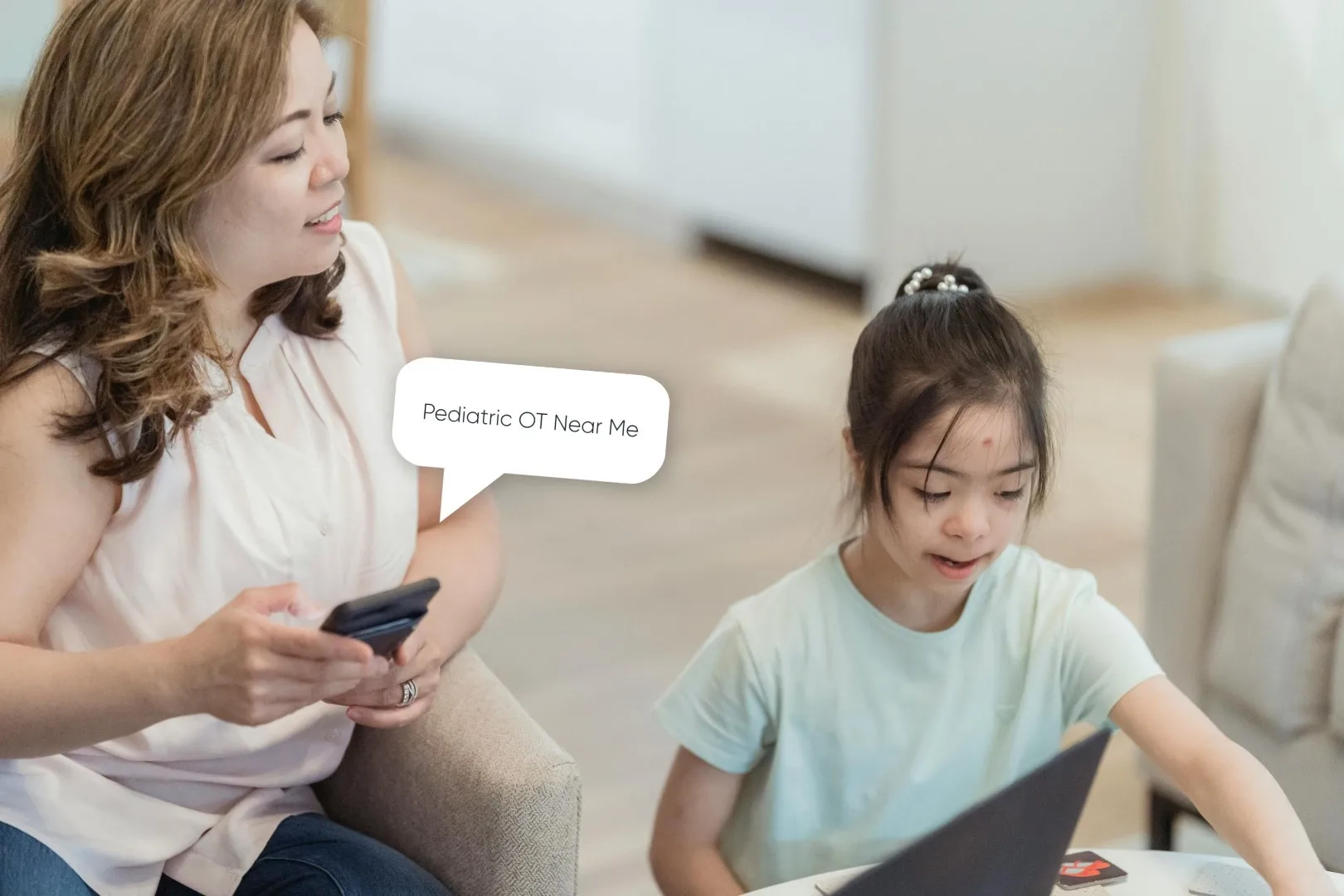
This is especially important for local practices to include geographic signals like “speech therapist in the Metro Detroit Area.” These act like coordinates that help Google match your content to people searching in your area.
Write Like an Expert, Not a Search Engine
In 2026, it’s no longer enough to focus on a single keyword. You need to build what’s known as “semantic depth.” This means weaving in related terms and concepts that show a well-rounded understanding of your topic.
Take couples counseling as an example. A strong, modern piece wouldn’t just repeat that phrase. It would naturally incorporate ideas like attachment styles, mental load, emotional intelligence, communication patterns, conflict resolution, and relationship dynamics. Including these connected concepts helps search engines grasp not only what your content says, but the actual context and your expertise behind it.
One additional way to strengthen your SEO is by including a short, clear summary of your main point near the top of your post. This is often called an “atomic answer,” and it is typically 40 to 60 words long. It helps search engines quickly understand your content and increases your chances of being featured in AI-generated search summaries.
Writing for the Human Reader: The Scannability Rule
Most people are not reading your blog from beginning to end. They are scanning to decide if it is worth reading more closely. That behavior is not a flaw, it is a response to how much content we are exposed to every day. If your post looks like a wall of text, readers will leave before they even engage with your ideas.
Scannability is what keeps people on the page long enough to actually absorb your content.
How to easily achieve this:
- Use short paragraphs to make your writing easier to digest.
- Include clear headings so readers can quickly find sections that matter.
- Add intentional formatting, like bold or italics, to highlight key points.
- Incorporate bullet points to break up dense information.
- Include visual elements such as images or charts to guide the eye.
- Make it easy for readers to scan first, then read deeply if they choose.
- Create an FAQ section at the end of your informational posts. This helps with scannability and AI search.
As someone with ADHD, I approach almost every article this way. I scan first, looking for structure and key takeaways, and only then do I commit to reading more closely. When your content supports that behavior instead of fighting it, you make it easier for more people to stay engaged. This is also a good gut check while editing. If someone can understand your main points just by scanning your headings and formatting, your post is doing its job.
Humanizing Your Content: Prioritize Quality Over Quantity
With the rise of AI tools, it has never been easier to produce large amounts of content quickly. The downside is that much of that content starts to sound the same. Readers are becoming more aware of that pattern, even if they cannot always explain why something feels off. This is why quality matters more than ever because if a human didn’t write it…why should a human feel compelled to read it?
This is exactly where E-E-A-T becomes your advantage. AI can generate content quickly, but it cannot replicate real experience, professional insight, or lived context in a meaningful way.
Using Stories and Personal Insights to Connect
One of the most effective ways to stand out is to lean into your own perspective and share your experiences. It is the small, specific details, the opinions, and the real-world context that AI struggles to replicate in a meaningful way. Even if you’re including only a sentence or two about your experience working with clients or a lesson you have learned in your field can instantly make your content feel more grounded and trustworthy.
That does not mean you cannot use AI at all. It can be incredibly helpful for outlining, organizing ideas, or speeding up your workflow. The key is to make sure the final result still sounds like you. If your blog could have been written by anyone, it simply will not stand out in the digital noise. However, when your blog truly reflects your voice and your experience, it resonates with readers.
Strong content also includes clear trust signals. This means linking to your own relevant services and referencing credible external sources. Instead of just adding a link, name the source directly. For example, you might write, “According to the American Psychological Association…” This reinforces your authority and builds trust with both readers and search engines.
Give a Clear Next Step
A strong blog post does not just inform, it guides. After someone has spent time reading your content, the next step should feel obvious and easy. Without a clear call to action, even an engaged reader may simply leave without taking any further action.
Your call to action does not need to be complicated. It can be as simple as inviting someone to book a consultation, join your email list, or learn more about your services. The important thing is that it aligns with the content they just read. If your blog speaks directly to your ideal client, your call to action should feel like a natural continuation of that conversation rather than a sudden shift.
Conclusion
If you follow this checklist, you are doing more than just writing a blog post. You are creating content that gets discovered by search engines, keeps readers engaged, and builds trust in your expertise. That already puts you ahead of most AI-generated content online.
Do not get discouraged if your post does not get traction immediately. Your first reader is not a person. It is the Librarian. Give it time to do its job. If you want help analyzing your blog or website for SEO, accessibility, and performance, you can sign up for the C3 Website Review and Roadmap today.
TL;DR: The 2026 Blog Writing Checklist
Keep this open while you write your next post.
Phase 1: Write for the SEO
- Primary keyword in title and first 100 words
- 40 to 60 word Atomic Answer near the top
- Keywords included naturally
- Local SEO signals added
- 800 or more word count
Phase 2: Charm the Reader
- Sentences under 20 words
- Clear headings every 200 to 300 words
- Bullet points and formatting for readability
- FAQ section at the bottom for informational posts
- Easy to understand by scanning
Phase 3: Humanize the Content (E-E-A-T)
- Personal insight or experience included
- Reputable sources named and linked
- Internal links added
- Reads like a human, not a robot
Phase 4: Seal the Deal (Conversion)
- Clear call to action at the end
- Meta description under 155 characters with a benefit