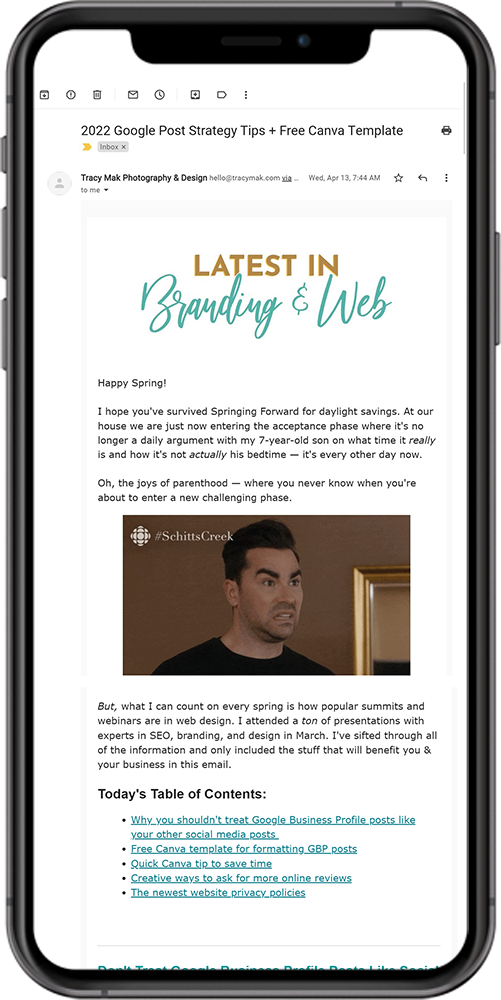
When potential clients search for a therapist, they are often feeling uncertain, anxious, or overwhelmed. Your Google Business Profile can help them quickly understand who you are, what you offer, and how to take the next step toward support.
Your Google Business Profile is more than just a listing. It gives you the opportunity to present your practice in a clear, approachable way. It includes your hours, contact information, services, and photos of your space or team. It helps people feel more comfortable reaching out before they ever make contact.
Why Google Business Profiles Matter for Therapists
- Appear in local search and on Google Maps so clients can find you easily
- Build trust with clear, welcoming information
- Share your specialties in a way that resonates with people
- Strengthen your online presence without relying only on ads
How to Set It Up
- Sign in at google.com/business with your practice account
- Claim or create your listing
- Add your address or service area
(If you offer teletherapy only or work from a home office, you can hide your address and set a service area, such as Michigan, so you still appear in local searches without displaying your home address.) - Include contact info, hours, business description, services, and photos
- Verify your profile by postcard, email, video, or phone
- Choose your primary category.
Suggested GBP Categories in 2026:
There are thousands of categories on Google to choose from, and it can be difficult to know which ones are most relevant. Here are some of the most common categories related to mental health practices:
- Mental health service
- Mental health clinic
- Psychotherapist
- Counselor
- Family counselor
- Marriage or relationship counselor
- Child psychologist
- Psychologist
- Psychiatrist
- Nurse practitioner
- Sleep clinic
- Psychoanalyst
- EMDR psychotherapist
- Addiction treatment center
- Alcoholism treatment program
- Social worker
- Eating disorder treatment center
Choose one primary category that best reflects your main specialty, then add up to 8 secondary categories that describe your services more specifically
Making Your Profile Stand Out
Your description should speak directly to the people you want to help. Use photos and visuals that reflect your warmth and professionalism. Keep your Name, Address, and Phone number consistent across the web.
Every detail contributes to how clients perceive your practice and whether they feel comfortable reaching out. Here are a few areas of your profile you can concentrate on to make your profile stand out:
Reviews
Reviews help potential clients feel safe reaching out and also boost your local SEO, making it easier for people in your area to find your practice.
Always keep HIPAA compliance in mind. Never confirm that a reviewer is or was your client.
Requesting reviews can feel complicated in mental health care, where the therapeutic relationship is built on trust, safety, and care. Professional ethics guidelines from organizations such as the:
- American Psychological Association (APA)
- American Counseling Association (ACA)
- National Association of Social Workers (NASW)
- American Association for Marriage and Family Therapy (AAMFT)
generally discourage or prohibit therapists from asking current or former clients for reviews or testimonials due to concerns about power dynamics, unintended pressure, and client confidentiality. For prescribing providers and psychiatrists, however, professional ethics codes do not always explicitly forbid soliciting reviews, though it is still important to approach this thoughtfully and with careful attention to privacy and professional boundaries.
Because of this, therapists are typically encouraged to avoid directly soliciting reviews, particularly from current clients, and to proceed thoughtfully even after services have ended. Some ethical frameworks allow for limited alternatives, such as passive review options or feedback from professional colleagues, but these vary depending on licensure, jurisdiction, and professional association.
Even within these guidelines, there are creative and ethical ways to encourage reviews. Learn how in my Ultimate Guide to Amplify SEO with Online Reviews.
Services
While your categories are chosen from a predetermined list, you have full autonomy when it comes to your Services section. You can manually add services like “CBT for Anxiety,” “Trauma-Informed Therapy,” “Couples Therapy”, or “LGBQT+ Affirming Care”. When someone’s search query matches your listed service, Google will display a search snippet next to your listing.
Photos
Uploading a picture of your logo or headshot is a good start. But this section is where your practice can shine. Since therapists have a harder time than other professionals in showcasing themselves “in action”, here are a few photo ideas:
- The front door of the building (to help anxious clients find the entrance).
- A photo of the waiting area or the therapy chair (to “de-mystify” the first session).
- A photo of a fidget toy, a bookshelf, or a plant in the office to convey “vibes.”
- A staged scene with the camera focusing on you while a friend pretends to be your client.



Build a Clear, Welcoming Presence
Your brand should feel approachable and aligned with your values, helping potential clients feel more at ease when considering your services.
This week, take a few minutes to claim or update your Google Business Profile. A well-crafted profile can make it easier for the right clients to find you and take that first step toward support.
At Tracy Mak Studio, we create visuals and websites that reflect your heart, your values, and your vision, so your presence feels clear and consistent across every touchpoint.
If you are ready to strengthen your presence, contact Tracy Mak Studio today and start building a brand that supports both your practice and the people you serve.