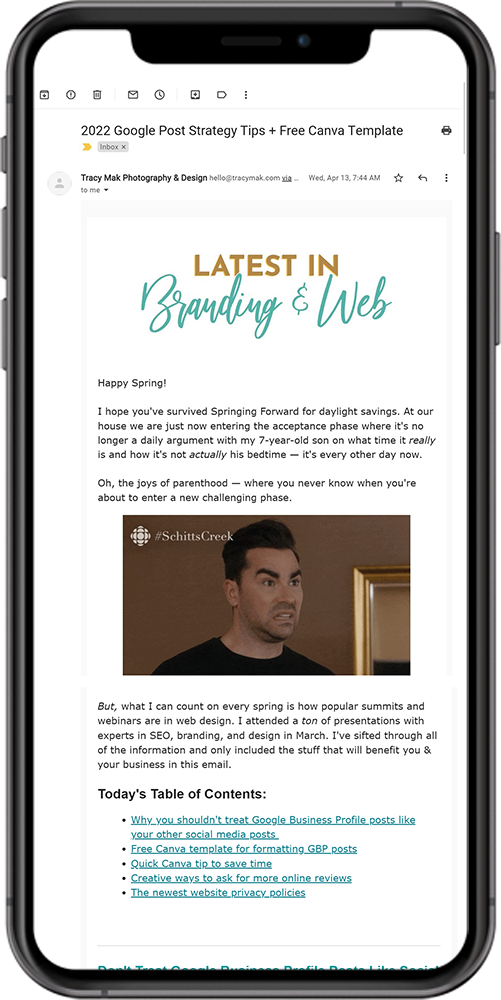
Stepping into the entrepreneurial world as a private or group practice owner in the health and wellness sector is like embarking on a thrilling adventure. There’s a whirlwind of things to tackle—from setting up the right location and hiring staff to ensuring compliance with industry regulations and curating the perfect client care experience. Amidst all the hustle and bustle, the digital side of things often requires attention too, like building a standout website that reflects your practice’s values and goals. With so many plates spinning, the question pops up: is a privacy policy or cookie consent truly necessary, or just another checkbox to tick off? Let’s unravel this mystery and see where these elements fit in your online presence.
There are a few different policies that you may need for your website. Websites definitely need a privacy policy and cookie consent policy, but there are others too:
- Privacy Policy– How you collect, use, and disclose personally identifiable information.
- Terms & Conditions – A statement that details the rules of using your website.
- Cookie Policy – Explains the types of cookies you use on your website.
- Disclaimer – Limits the liabilities that a website owner may be responsible for.
What Is A Privacy Policy?
Think of a privacy policy as the handbook for transparency on your website. It’s the digital document that lays out how your website collects, uses, and safeguards user data. This includes everything from names, emails, and phone numbers to browsing activities and purchase histories. Essentially, the privacy policy is your way of saying, “Hey, we’re keeping your info safe and sound.”
Now, why is having this policy so crucial? Well, apart from being legally required in many regions, it fosters trust. Users are increasingly savvy about their online privacy, and being upfront about how their data is used can set you apart as a trustworthy and responsible entity. Moreover, with data breaches making headlines more often than a surprise celebrity breakup, a well-crafted privacy policy affirms your commitment to treating visitors’ data with respect and care.
The Myth: Do You Really Need a Privacy Policy?
Some folks may think that only large corporations or tech giants need a privacy policy. However, that’s akin to saying only chain restaurants need health standards. In reality, any website—big or small—that collects personal data needs a privacy policy. This applies to everything from a personal blog with a newsletter to an online wellness course that gathers payment details.
In 2024, several privacy lawsuits were filed against small business website owners (including one person companies) located outside of California for non-compliance with CIPA (California Invasion of Privacy Act). The damages being sought under these lawsuits start at $50,000. Having a valid privacy policy and consent banner on your website will help avoid these potential lawsuits and fees.
What is Cookie Consent?
Cookies aren’t just delicious; in the digital world, they’re small files stored on a user’s device to remember their actions and preferences over time. Cookie consent, therefore, is the practice of obtaining clear and informed permission from users to utilize these cookies for purposes like tracking website analytics, personalizing content, and targeted advertising.
Think of cookies as the friendly assistants in your web journey—they keep everything running smoothly by remembering your login details, shopping cart items, and even language preferences. But here’s the catch: users need to be aware and agree to these tools working behind the scenes.
The Myth: Is Cookie Consent Necessary?
Some folks might dismiss cookie consent as digital overkill. However, skipping this step is like hosting a party without RSVP—sure, it might work out, but it could also lead to chaos. Not securing cookie consent can result in violations of laws like the CIPA or GDPR, which have mandatory consent requirements before tracking user activities. Beyond the legal realm, users may feel their privacy is being encroached upon, eroding trust and potentially steering them towards competitors who are more transparent.
Those pesky pop up banners asking if you’d like to accept all cookies, may seem annoying as a casual website visitor, but as a website owner, it is a necessity. The EU and several US states require a consent banner before a visitor can browse your website. If you want to avoid the pop up showing up all the time, you can install a tool that detects where the user is browsing your website from and only show it in the locations where a privacy law requires it.
When Is Privacy Policy and Cookie Consent Needed?
The short answer? Almost always! Whether you’re running an e-commerce platform, a health and wellness blog, or even a local coffee shop’s online page, if there’s any data collection involved, these policies are non-negotiable. For example, e-commerce sites not only gather user information for transactions but also deploy cookies for better user experience insights. Similarly, a blog collecting subscriber email addresses for newsletters also needs to comply with these policies.
From a business perspective, ensuring users are aware of your data practices and obtaining consent can be the difference between a solid reputation and one marred by privacy concerns. Scenarios like launching online fitness classes or offering downloadable wellness guides can become business minefields if necessary policies aren’t in place. In short, if your site deals with data, these digital gatekeepers are a must-have to keep everything above board and, well, peachy.
Finding the Right Tool for Implementing Your Privacy Policy, Cookie Consent, and other Website Policies
After determining what policies your website will need, there are a few options you can consider for creating these policies:
- Hire a lawyer – a pricy solution, but they will be able to walk you through the process and you’ll be able to ask all the questions on your mind. The end result is the peace of mind you will have knowing your policies are ironclad.
- Use a template or online policy generator – There are lots of templates and generators online that you can use at a starting point to draft your policies. This is the more cost effective solution, but you won’t be able to ask any clarification questions. If a new privacy law passes, your policies won’t reflect that change unless you manually change it.
- Use an auto-updating policy service – A service like Termageddon is the sweet spot between #1 and #2. You answer a questionnaire and then Termageddon spits out a policy for you to embed onto your website. The policies auto-update which means that if a new privacy law passes, your policy on your website will automatically reflect that change without you having to lift a finger!
Now that we’ve covered the necessity of privacy policies and cookie consent, and the options you have to implement them, let’s take your website game to the next level! Consider implementing your privacy policy and cookie consent seamlessly with Termageddon. Using our affiliate link helps support our studio, fueling more empowering and insightful content right at your fingertips. You’ll get 10% off your first year with the link too!
And as always, if you ever have any questions, please contact Tracy Mak Studio! We’d love to help you so you can get back to helping your clients!